A wine shop — the common Indian term for a licensed liquor retail store selling beer, whisky, rum, vodka, and wine — occupies a unique commercial position in India’s retail ecosystem. Unlike most other retail categories where competition and digital commerce are putting pressure on physical store traffic, licensed alcohol retail in India is legally ring-fenced from online delivery in most states, which means every customer who wants to buy alcohol must physically visit a store. This mandatory in-person footfall, combined with the fact that Indian alcohol consumption is growing consistently year on year across urban and semi-urban markets, makes the surrounding commercial ecosystem of a well-located wine shop an unusually reliable commercial opportunity.
The customer who visits a wine shop is typically a working adult, often male, in a spending mindset. He has already decided to make a discretionary purchase and has physically visited the store to do so. He is likely returning home after work or heading to a social gathering. He often has additional associated needs — snacks to accompany the drinks he is buying, cigarettes, a lighter, bottled water — and he is generally time-pressured rather than in a browsing mood. These characteristics define the exact kind of customer that the businesses below are positioned to serve.
1. Snacks, Namkeen, and Quick Food Counter
Estimated startup cost: Rs. 1 lakh – Rs. 3 lakh Monthly earning potential: Rs. 30,000 – Rs. 1 lakh
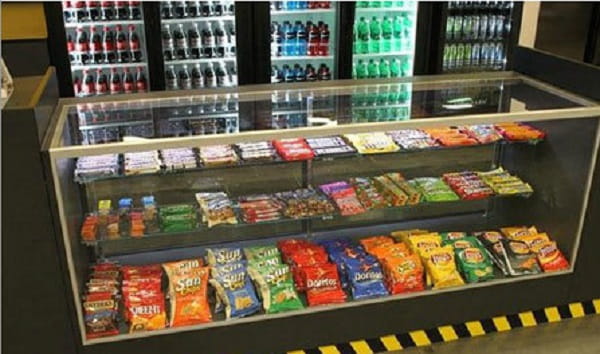
The single most natural business near any wine shop in India is a snacks and namkeen counter. The association between alcohol and accompanying snacks is deeply embedded in Indian social culture — no gathering involving drinks is complete without something to eat alongside, and the customer who buys a bottle of whisky or a pack of beer at the wine shop will instinctively look for something to buy to go with it from the nearest available vendor.
The product range that works best is familiar and immediate — packets of chips, namkeen, peanuts, chakli, murukku, sev, salted cashews, and packaged mixers. These are small-ticket, no-deliberation purchases that the customer makes by habit rather than by decision, which means your counter does not need to sell anything to them — it simply needs to be there, stocked, and visible. A counter with thirty to forty SKUs covering the most commonly purchased accompaniment snacks generates steady daily revenue with almost no customer acquisition cost because the wine shop itself is acquiring the customers and sending them directly past your stall.
Adding a small hot food component — samosas, vada pav, egg puffs, or bhutta — elevates the offering and captures higher spend per visitor. Hot food near a wine shop is particularly popular in the evening peak when customers making purchases before gathering with friends are already thinking about what everyone will eat during the evening.
2. Pan, Cigarettes, and Convenience K iosk
Estimated startup cost: Rs. 50,000 – Rs. 2 lakh Monthly earning potential: Rs. 25,000 – Rs. 70,000
The paan and cigarette shop has co-existed with wine shops across India for so long that the pairing has become almost a single commercial concept in the public mind. The customer who purchases alcohol also frequently purchases tobacco — the two categories are strongly associated in the adult male consumption behaviour that defines the core wine shop customer demographic. A pan-cigarette kiosk immediately adjacent to a wine shop captures this cross-purchase impulse with near-zero marketing effort.
The product mix extends naturally beyond tobacco and paan to cover the complete convenience needs of the wine shop’s customer base: lighter refills, matchboxes, chewing gum, mouth fresheners, headache tablets, antacids (which have obvious demand among the customer demographic), and basic personal care items for the customer who is buying something on the way home from work. This convenience kiosk model has excellent margin profiles on tobacco and FMCG items and requires minimal operational complexity once the initial product assortment is established.
In 2026, adding a mobile recharge and bill payment service using platforms like Paytm or Amazon Pay extends the revenue base of what is otherwise a primarily tobacco and convenience retail counter, capturing digital service demand from the same customer base at almost no additional capital cost beyond a smartphone and internet connection.
3. Quick Service Restaurant or Dhaba
Estimated startup cost: Rs. 3 lakh – Rs. 8 lakh Monthly earning potential: Rs. 50,000 – Rs. 1.8 lakh
A quick service restaurant or dhaba near a wine shop captures a specific and commercially significant customer behaviour pattern: the group that buys alcohol from the shop and then decides collectively where to eat, frequently ending up at the nearest convenient food option. A clean, well-lit dhaba or QSR within visible range of a wine shop — particularly one with outdoor seating that accommodates the relaxed social mood of a group purchasing session — benefits from this spontaneous group dining decision repeatedly throughout the day and evening.
This adjacency works particularly well in locations where the wine shop serves a residential catchment area — a neighbourhood wine shop near apartment clusters will see groups of apartment residents making joint purchases in the evening and looking for a nearby place to sit together. A dhaba that understands this pattern and provides outdoor seating, accepts UPI payment, and stays open until 10 or 11 PM positions itself as the natural extension of the wine shop customer’s evening plans.
The key menu principle near a wine shop is that the food must work as accompaniment as well as standalone — dishes that pair naturally with a drink (chicken tikka, seekh kabab, fried fish, egg preparations, paneer starters) rather than only heavy full-course meals serve this customer’s specific use case better.
4. Ice and Cold Drinks Supply Shop
Estimated startup cost: Rs. 1 lakh – Rs. 3 lakh Monthly earning potential: Rs. 25,000 – Rs. 70,000
Ice is a category that barely registers as a business concept until you stand outside a wine shop on a summer evening and count how many customers specifically ask for ice or cold drinks. Beer drinkers want cold beer or ice to keep their beer cold at home. Whisky drinkers need ice for their drinks and soda water or cola as mixers. Cold beverage buyers want their purchases chilled immediately rather than at room temperature from the shop shelf.
A small ice and cold beverages shop immediately adjacent to a wine shop — selling packaged ice, chilled soda water, Thums Up, Sprite, lemonade, and other mixers from a well-stocked refrigerator — captures a high-frequency, need-based purchase that the wine shop itself is often not equipped to provide given that most Indian state excise regulations prevent wine shops from stocking non-alcoholic beverages on their licensed premises.
The operational requirement is simple: a commercial refrigerator (Rs. 30,000 to Rs. 50,000), a freezer for ice production or a tie-up with an ice manufacturer for daily supply, and an opening stock of mixers, cold drinks, and packaged ice. The business operates on thin per-unit margins but extremely high daily transaction volumes from a captive, need-driven customer base.
5. Auto Rickshaw and Cab Parking Service
Estimated startup cost: Rs. 30,000 – Rs. 1 lakh Monthly earning potential: Rs. 20,000 – Rs. 60,000
This is the most unconventional entry on this list, but it is grounded in a specific and commercially underutilised reality near every busy urban wine shop in India. Wine shops generate substantial arriving and departing customer traffic throughout the day — customers who walked there and need to get home, customers who came by vehicle and need help transporting multiple bottles, and groups who want a designated driver arrangement for their evening. A reliable auto and cab stand positioned immediately outside a busy wine shop fills genuine daily transportation demand without requiring any capital beyond establishing the stand and building relationships with a handful of regular drivers.
The business model is a coordination and commission arrangement — you maintain a WhatsApp group of ten to fifteen auto and cab drivers, match incoming customer requests to available vehicles, and earn a coordination fee from drivers who benefit from the steady stream of customers you channel to them. This requires minimal investment, no regulatory approval beyond standard auto stand norms, and generates passive income through a simple logistics function that no one is currently performing in an organised way near most Indian wine shops.
Frequently Asked Questions
Q: Do businesses near wine shops need any alcohol-related licence?
A: No — businesses operating near a wine shop that do not themselves sell alcohol require only standard trade licences and GST registration as applicable to their own product category. Only the wine shop itself requires excise licensing from the state government.
Q: Which wine shop-adjacent business works best in residential areas?
A: Snack and namkeen counters work best in residential wine shop areas because the evening customer is a regular returning from work who makes consistent, habitual snack purchases alongside alcohol. QSRs and dhabas also work well in dense residential areas where the shop serves apartment complexes.
Q: Are there any states where wine shop adjacency businesses face restrictions?
A: In states with alcohol prohibition such as Bihar, Gujarat, and certain districts of other states, wine shops do not exist, making these business ideas inapplicable. In partially restricted states, verify the local alcohol retail landscape before investing in an adjacency business.
Q: What are the peak hours for wine shop-adjacent businesses?
A: The primary peak is between 5 PM and 9 PM on weekdays when working adults make after-office purchases, and between 12 PM and 9 PM on weekends. This peak alignment with the wine shop’s busiest periods allows adjacent businesses to staff up specifically during high-demand windows.
Q: How important is the exact location relative to the wine shop entrance?
A: Critically important. A snack counter, cigarette kiosk, or cold drinks shop that requires the customer to walk more than 30 metres from the wine shop entrance loses a significant proportion of impulse purchases. Positioning within the immediate sightline of the shop entrance is the single most important location decision.