India’s fitness industry is in the middle of the most significant expansion it has ever seen. The Indian fitness market crossed Rs. 7,000 crore in value in 2025 and the number of operational gyms across the country has grown from approximately 70,000 in 2020 to well over 1.2 lakh by 2026, driven by the post-pandemic health consciousness surge, the rise of affordable gym chains like Cult.fit and their neighbourhood competitors, and a dramatic shift in how Indian urban consumers — particularly those under 35 — think about health and wellness as a daily priority rather than an occasional aspiration.
Every gym is essentially a congregation point for a specific kind of consumer: health-aware, physically active, results-focused, and regularly spending money on their body. This consumer visits the same location five to six times per week, has predictable timing, has specific product needs (supplements, protein, healthy food, sportswear), and is actively engaged in a lifestyle that requires ongoing investment. For a business owner located near a gym, this consistent, identifiable customer is one of the most commercially attractive demographics in urban India.
1. Protein Supplement and Sports Nutrition Shop
Estimated startup cost: Rs. 3 lakh – Rs. 8 lakh Monthly earning potential: Rs. 50,000 – Rs. 1.5 lakh
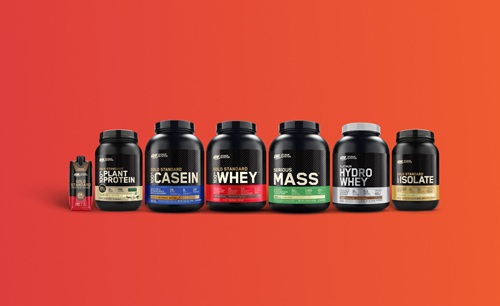
India’s sports nutrition market is growing at over 20 percent annually, driven by rising gym membership and increasing awareness of protein supplementation as a serious fitness tool rather than a niche bodybuilder product. Whey protein, mass gainers, BCAA supplements, creatine, pre-workout formulas, and protein bars are now standard purchases for millions of Indian gym-goers who are comfortable spending Rs. 2,000 to Rs. 6,000 per month on nutrition products.
The overwhelming majority of Indian gym-goers still buy their supplements online through Amazon, Flipkart, or brand websites. But a physical store near a gym that stocks the same products provides something online channels cannot: immediate availability, product authenticity verification through physical inspection, and personalised guidance from someone who actually knows what they are talking about. Counterfeit supplements remain a genuine concern in the Indian market, and a trusted local store with verified stock from authorised distributors commands strong customer preference over the cheapest online listing.
Your product range should cover the key Indian brands — MuscleBlaze, Scitron, MyFitFuel, Optimum Nutrition, and Dymatize — across the most consumed supplement categories. Keeping stock of the top-selling whey protein SKUs (specifically the 2-kilogram bags which are the standard monthly purchase) in the three to five most popular flavours is your core inventory strategy. Partnering with one or two gyms in your area for recommended vendor status — even informally, through genuine product knowledge and fair pricing — creates a steady referral stream from trainers who trust your stock authenticity.
2. Fresh Juice and Protein Smoothie Bar
Estimated startup cost: Rs. 1.5 lakh – Rs. 4 lakh Monthly earning potential: Rs. 35,000 – Rs. 1 lakh
Post-workout nutrition is both a physiological need and an established ritual for regular gym-goers. The 30-minute window after a workout is the period when protein and carbohydrate intake is most beneficial for muscle recovery — and a juice or smoothie bar positioned immediately outside the gym captures the customer at exactly this moment, when the need is active and the willingness to pay is highest.
A fresh juice and protein smoothie bar near a gym works best with a tightly focused menu. Three to four fresh juice options, three to four smoothie builds (protein smoothie, post-workout recovery, pre-workout energiser), and two to three snack options (peanut butter toast, boiled eggs, banana with nut butter) is a complete menu that covers all the key customer needs without creating operational complexity. The protein smoothie — blending whey protein with banana, milk, and honey — commands Rs. 120 to Rs. 180 per serve with excellent margins.
The customer acquisition in this model requires minimal effort because the gym is literally sending you customers. Every person who exits a workout session and sees a clean, well-presented juice bar with visible fresh fruit passes through a micro-moment where the purchase decision is already 80 percent made by biology. Your job is to be there, to look clean, and to make something good.
3. Diet Tiffin and Meal Prep Service
Estimated startup cost: Rs. 1 lakh – Rs. 3 lakh Monthly earning potential: Rs. 35,000 – Rs. 1 lakh
Gym-goers who are serious about their results understand that diet is more important than training. The challenge is that preparing six optimised meals per day is genuinely difficult to manage alongside a full work schedule, and the healthy meal delivery options in most Indian cities are either expensive (Rs. 400 to Rs. 600 per meal from premium delivery brands) or unreliable in macronutrient consistency. A dedicated diet tiffin service for gym members — with clearly labelled protein, carbohydrate, and calorie content per meal — fills this gap at a price point (Rs. 150 to Rs. 250 per meal, Rs. 3,000 to Rs. 6,000 per month for a daily package) that is accessible to the middle-income fitness demographic.
The model that works best is monthly subscription tiffins with customised macro goals. A gym-goer who tells you their target protein intake, their current weight, and their fitness goal gets a meal plan designed around those numbers, delivered in standardised containers with printed nutrition labels. This level of specificity — which no generic food delivery service provides at this price point — is what commands loyalty and word-of-mouth from the fitness community, which is an extraordinarily active referral network.
Partnering with one or two gym trainers who recommend your service to their clients is the fastest customer acquisition channel. A trainer who has satisfied clients pointing to your tiffin service as part of their results is worth more than any Instagram advertisement.
4. Sports and Activewear Store
Estimated startup cost: Rs. 5 lakh – Rs. 12 lakh Monthly earning potential: Rs. 50,000 – Rs. 1.5 lakh
A gym-goer spends more on activewear and sports accessories than on almost any other discretionary category tied to their fitness habit. Training shoes, gym shorts, compression tights, sports bras, gym bags, sweat towels, resistance bands, lifting belts, knee sleeves, wrist straps — these are recurring purchases that a regular gym-goer makes multiple times per year. A well-stocked sports and activewear shop near a gym provides immediate access to this product range without the wait time of online delivery.
The winning formula for a gym-adjacent activewear store in 2026 is combining branded basics (Nivia, Vector X, GM sporting goods in the affordable segment) with aspirational international brands (Decathlon, Nike, Adidas, Under Armour in the premium segment) and emerging Indian performance brands (Silvertraq, Nivia Performance, Vector X Pro Series). Stocking across this range allows you to serve both the budget-conscious new gym member and the serious, higher-spending fitness enthusiast in the same store.
The in-store experience matters here in a way that pure commodity retail does not require. Customers buying training shoes want to try them on. Customers buying compression wear want to check fit. A store that allows proper try-on and has staff who can provide genuine fit advice — not just pull the right size from the shelf — creates a service quality that online shopping cannot replicate for apparel and footwear.
5. Physiotherapy and Sports Recovery Clinic
Estimated startup cost: Rs. 8 lakh – Rs. 20 lakh Monthly earning potential: Rs. 70,000 – Rs. 2.5 lakh
Training injuries are an inevitable part of serious fitness culture. Lower back strains, rotator cuff issues, knee pain from running, and shin splints from increased training volume are regular complaints among gym-goers at every level. A physiotherapy clinic near a gym — staffed by a qualified physiotherapist offering assessment, manual therapy, ultrasound therapy, and rehabilitation exercise programming — has a captive referral ecosystem that no other physiotherapy location enjoys.
Gym trainers and gym owners themselves become your primary referral source. When a trainer’s client reports knee pain, the trainer’s first recommendation is typically a physiotherapist. If you are 50 metres away, you are the automatic recommendation. Building genuine relationships with the gym trainers nearest to your clinic — through courtesy consultations, educational workshops on injury prevention for gym members, or simply consistent results with their referred clients — creates a referral pipeline that fills your appointment book without advertising.
The recovery services component — foam rolling, sports massage, hydrotherapy, and cold compression — extends beyond post-injury rehabilitation into regular preventive care, which the growing population of serious gym-goers purchases as part of their regular fitness investment. A Rs. 800 to Rs. 1,200 monthly maintenance physiotherapy session for active gym members is an accessible service at the spending level of this demographic.
Frequently Asked Questions
Q1. Do I need specific certifications to open a supplement store near a gym?
No medical certification is required to retail supplements, but you do need a standard shop and establishment licence and GST registration. Stocking products only from FSSAI-licensed manufacturers protects you from regulatory issues and builds customer trust.
Q2. Which gym-adjacent business has the most repeat purchase frequency?
A juice bar has the highest purchase frequency — daily visits — among all five options, giving it the most consistent cash flow. Diet tiffin subscriptions are the highest repeat revenue in monthly commitment terms.
Q3. How do I build referral relationships with gym trainers?
Start by genuinely knowing your product — supplement knowledge, nutrition basics, or physiotherapy expertise as applicable. Trainers recommend vendors they trust will give their clients good advice, not just sell them the most expensive product. Reliability, authenticity, and knowledge are the three qualities that build these relationships.
Q4. Is the physiotherapy business viable near a smaller-city gym?
Yes — the supply of qualified physiotherapists in Tier-2 cities is significantly below demand. A well-qualified physiotherapist near a large gym in a Tier-2 city will find client acquisition easier than in metros where supply is higher but demand is also larger.
Q5. Can I combine multiple gym-adjacent businesses in one location?
Yes — a supplement shop combined with a juice bar counter works particularly well because the customer who walks in for a protein smoothie is already predisposed to buying supplements. Combining physiotherapy with a recovery services bay (sports massage, compression) is another natural combination that maximises space utilisation and cross-service referral.