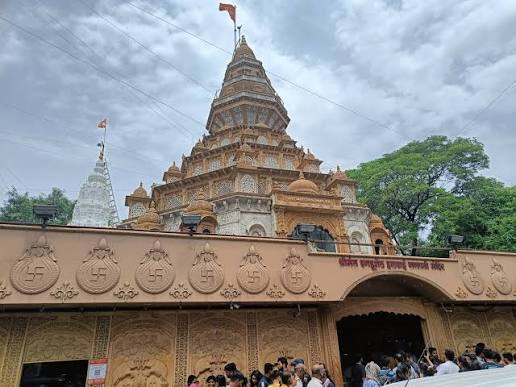
Ganesh Chowk is one of the well-known, culturally significant, and busy intersections in Pune, Maharashtra. Located in the central part of the city, this chowk serves as a key transit junction connecting residential areas, traditional markets, and major roads. Known for its association with Lord Ganesha and Pune’s rich cultural heritage, Ganesh Chowk holds both religious and urban importance.
In 2026, Ganesh Chowk continues to remain an active and vibrant part of Pune, surrounded by local markets, temples, and residential neighborhoods. With steady traffic movement, strong connectivity, and cultural relevance, the chowk is not just a traffic intersection but a reflection of Pune’s traditional identity blended with modern urban life.
Ganesh Chowk Pune Quick Details
| Category | Details |
| Location | Ganesh Chowk, Central Pune, Maharashtra – 411002 |
| Also Known As | Ganpati Chowk |
| Nearest City | Pune City Centre (~2 km) |
| Highway | Connected via city arterial roads |
| Key Roads | Laxmi Road, Bajirao Road, Internal Peth Roads |
| Nearest Railway Stn | Pune Junction (~4 km) |
| Nearest Metro | Mandai / PMC Metro (~2–3 km) |
| Nearest Airport | Pune International Airport (~12 km) |
| Bus Connectivity | PMPML buses, autos, cabs |
| Iconic Landmark | Ganesh Temple & traditional markets |
| Importance | Cultural, religious & commercial hub |
| Nearby Areas | Budhwar Peth, Shaniwar Peth, Mandai |
| Pin Code | 411002 |
| Admin Body | Pune Municipal Corporation (PMC) |
| Development Status | Fully developed heritage zone |
| Redevelopment Status | Smart city upgrades & metro expansion ongoing |
1. Location & Identity of Ganesh Chowk
Ganesh Chowk is located in central Pune, within the historic Peth areas that form the cultural core of the city. Positioned near major roads like Laxmi Road and Bajirao Road, it connects some of Pune’s oldest and busiest neighborhoods.
Pune is widely known as the cultural capital of Maharashtra, and Ganesh Chowk lies at the heart of this heritage. The chowk is closely associated with temples, markets, and traditional activities.
The identity of Ganesh Chowk is shaped by:
- Its religious association with Lord Ganesha
- Its location in Pune’s historic core
- Its role as a busy commercial junction
It is often described as:
👉 A cultural landmark of Pune
👉 A central junction of the old city
The area is surrounded by:
- Temples and heritage structures
- Traditional markets and shops
- Dense residential neighborhoods
Administered by: Pune Municipal Corporation (PMC), maintaining infrastructure in heritage zones.
2. Connectivity & Transport Infrastructure
Ganesh Chowk offers strong connectivity within Pune.
1. Road Connectivity
Laxmi Road:
One of Pune’s busiest shopping streets.
Bajirao Road:
Connects the chowk to other central areas.
Internal Peth Roads:
Link surrounding neighborhoods.
2. Rail, Metro & Airport Connectivity
Pune Railway Station:
Located approximately 4 km away.
Metro Connectivity:
Nearby stations like Mandai and PMC improve accessibility.
Pune International Airport:
Around 12 km away.
3. Public Transport & Movement
- PMPML buses operate frequently
- Autos and cabs are widely available
- High pedestrian movement
The chowk experiences heavy traffic due to:
👉 Market activity
👉 Temple visitors
👉 Daily commuters
3. Historical Background & Cultural Significance
Ganesh Chowk’s importance is deeply rooted in Pune’s rich cultural, religious, and historical traditions centered around Lord Ganesha.
Origins of the Peth Areas
Pune’s old city was developed during the Maratha period under the Peshwas. The Peth system organized the city into different zones, each with its own identity and function.
Ganesh Chowk lies within this historic framework.
Religious Importance of Lord Ganesha
Lord Ganesha holds a special place in Pune’s culture:
- Considered the deity of wisdom and prosperity
- Widely worshipped across the city
- Central to festivals and traditions
Rise of Ganesh Utsav
The public celebration of Ganesh Utsav was popularized by Bal Gangadhar Tilak in Pune:
- Transformed Ganesh worship into a public festival
- Strengthened community participation
- Made areas like Ganesh Chowk culturally significant
Role as Cultural Gathering Point
Over time:
- The chowk became a center for religious activities
- Markets developed around temples
- It became a hub of community life
Modern Identity
Today, Ganesh Chowk represents:
- Pune’s spiritual and cultural heritage
- A blend of tradition and urban life
- A key landmark in the old city
4. Commercial & Market Activity
Ganesh Chowk is surrounded by vibrant traditional markets.
Key Commercial Zones
- Laxmi Road market
- Mandai market area
- Local street shops
What You’ll Find
- Clothing and jewelry shops
- Religious items and पूजा materials
- Grocery and daily-use stores
Food & Lifestyle
The area offers classic Pune food options:
- Street food like vada pav and misal
- Traditional sweet shops
- Local eateries
The chowk attracts:
👉 Devotees and visitors
👉 Shoppers and families
👉 Tourists
5. Real Estate & Commercial Importance (2026)
Ganesh Chowk is part of a heritage commercial zone.
Current Trends
- High demand for retail spaces
- Limited residential expansion
- Stable property values
Investment Perspective
- Central location ensures high footfall
- Strong cultural importance
- Long-term stability
It is ideal for:
👉 Shop owners and traders
👉 Commercial investors
👉 Small businesses
6. Social Infrastructure & Daily Life
The area offers strong infrastructure for everyday living.
1. Education
- Schools and colleges nearby
- Coaching institutes
2. Healthcare
- Hospitals and clinics within reach
- Medical services easily available
3. Shopping & Lifestyle
- Traditional markets and shops
- Restaurants and street food
- Easy access to daily essentials
7. Modern Redevelopment & Urban Changes
Ganesh Chowk is part of Pune’s smart city initiatives.
Key Improvements
- Road upgrades and traffic systems
- Metro connectivity expansion
- Heritage conservation projects
Impact
- Improved accessibility
- Increased tourism and footfall
- Better urban experience
This development balances:
👉 Cultural heritage + modern infrastructure
Conclusion
Ganesh Chowk in Pune is far more than just a traffic junction — it is a cultural and spiritual landmark deeply rooted in the city’s identity.
In 2026, the chowk stands as a vibrant and historic part of Pune, supported by strong connectivity, active markets, and rich traditions. Its central location and cultural importance make it one of the most meaningful places in the city.
Whether you are visiting temples, shopping in traditional markets, or exploring Pune’s heritage, Ganesh Chowk offers a complete experience of the city’s timeless charm.