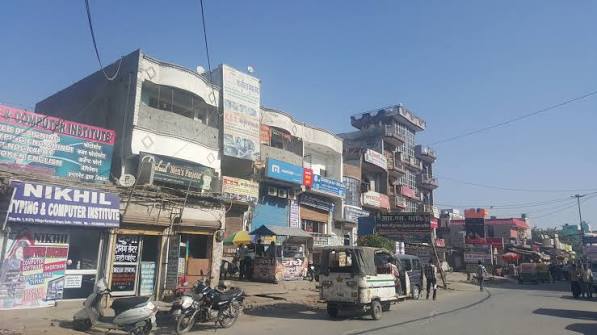
Karawal Nagar Chowk is one of the most important, densely populated, and rapidly developing intersections in North East Delhi. Located in the Karawal Nagar area, this chowk serves as a major transit junction connecting residential colonies, local markets, and nearby regions like Yamuna Vihar, Shahdara, and Loni. Known for its high population density, active street markets, and constant movement, Karawal Nagar Chowk plays a crucial role in the daily life of thousands of residents.
In 2026, Karawal Nagar Chowk continues to stand as a key urban node in North East Delhi, supported by growing residential settlements, improving road connectivity, and expanding commercial activity. With heavy traffic flow and vibrant local markets, the chowk is not just a traffic intersection but a central hub of community and commerce in this part of the capital.
Karawal Nagar Chowk Delhi Quick Details
| Category | Details |
| Location | Karawal Nagar Chowk, North East Delhi – 110094 |
| Also Known As | Karawal Nagar Main Chowk |
| Nearest City | Ghaziabad (~10 km) |
| Highway | Connected via Wazirabad Road & nearby NH-9 |
| Key Roads | Karawal Nagar Road, Wazirabad Road, Johripur Road |
| Nearest Railway Stn | Shahdara (~8 km) |
| Nearest Metro | Gokulpuri / Johri Enclave (Pink Line, ~5–6 km) |
| Nearest Airport | IGI Airport (~35 km) |
| Bus Connectivity | DTC buses, autos, e-rickshaws |
| Iconic Landmark | Karawal Nagar Market |
| Importance | Residential, market & transit hub |
| Nearby Areas | Johripur, Dayalpur, Yamuna Vihar |
| Pin Code | 110094 |
| Admin Body | Municipal Corporation of Delhi (MCD) |
| Development Status | Densely developed urban zone |
| Redevelopment Status | Road improvements & infrastructure upgrades ongoing |
1. Location & Identity of Karawal Nagar Chowk
Karawal Nagar Chowk is located in North East Delhi, one of the most densely populated regions of the capital. Positioned at the intersection of major local roads, it acts as a central connecting point for surrounding colonies and markets.
Delhi’s expansion toward its northeastern boundary has brought areas like Karawal Nagar into focus, turning them into important residential hubs. The chowk serves as a focal point for daily movement and local commerce.
The identity of Karawal Nagar Chowk is shaped by:
- Its role as a central junction in a high-density area
- Its proximity to local markets and residential colonies
- Its importance in connecting Delhi with nearby Ghaziabad areas
It is often described as:
👉 The heart of Karawal Nagar
👉 A major junction of North East Delhi
The area is surrounded by:
- Dense residential colonies
- Local markets and shops
- Schools, clinics, and service centers
Administered by: Municipal Corporation of Delhi (MCD), responsible for civic management.
2. Connectivity & Transport Infrastructure
Karawal Nagar Chowk offers strong but congested connectivity.
1. Road Connectivity
Karawal Nagar Road:
The main road connecting local colonies.
Wazirabad Road:
Provides access to central Delhi and Yamuna Vihar.
Johripur Road:
Connects to nearby residential areas.
NH-9 (Nearby):
Links the area to Ghaziabad and regional highways.
2. Rail, Metro & Airport Connectivity
Shahdara Railway Station:
Located approximately 8 km away.
Metro Access:
Nearby stations like Gokulpuri and Johri Enclave connect to Delhi Metro Pink Line.
IGI Airport:
Around 35 km away.
3. Public Transport & Movement
- DTC buses operate regularly
- Autos and e-rickshaws are widely available
- Heavy use of private vehicles
The chowk experiences very heavy traffic due to:
👉 High population density
👉 Market activity
👉 Daily commuting
3. Historical Background & Urban Expansion
Karawal Nagar Chowk’s importance is closely tied to the transformation of Delhi’s rural outskirts into densely populated urban settlements.
Early Phase – Village-Based Settlement
Karawal Nagar was originally a rural village area with:
- Agricultural land
- Low population
- Traditional village life
The chowk area served as a local meeting and trade point.
Urban Expansion of Delhi
As Delhi expanded:
- Rural areas were gradually urbanized
- Population increased rapidly
- Housing demand led to development of colonies
Growth of Residential Colonies
In the late 20th and early 21st centuries:
- Unauthorized and planned colonies developed
- Infrastructure grew gradually
- Markets and shops expanded
Karawal Nagar Chowk emerged as a central junction connecting these colonies.
Integration with NCR Growth
Due to proximity to Ghaziabad:
- Cross-border commuting increased
- Transport demand rose
- Commercial activity expanded
Modern Identity
Today, Karawal Nagar Chowk represents:
- Dense urban living in Delhi
- A blend of rural roots and modern expansion
- A key local commercial hub
4. Commercial & Market Activity
Karawal Nagar Chowk is a vibrant commercial area.
Key Commercial Zones
- Karawal Nagar Market
- Johripur and Dayalpur markets
- Street markets and shops
What You’ll Find
- Grocery stores and daily-use shops
- Clothing and retail outlets
- Electronics and service centers
Food & Lifestyle
The area offers:
- Street food and snacks
- Local eateries and dhabas
- Small cafes and fast-food outlets
The chowk attracts:
👉 Local residents
👉 Shoppers and families
👉 Daily commuters
5. Real Estate & Commercial Importance (2026)
Karawal Nagar Chowk is part of a high-density residential market.
Current Trends
- Affordable housing demand
- High rental occupancy
- Growing commercial activity
Investment Perspective
- Lower cost compared to central Delhi
- High population ensures demand
- Stable rental income
It is ideal for:
👉 Small investors
👉 Rental property owners
👉 Local businesses
6. Social Infrastructure & Daily Life
The area offers essential infrastructure.
1. Education
- Schools and coaching institutes nearby
- Colleges accessible in Delhi
2. Healthcare
- Clinics and hospitals within reach
- Medical services available
3. Shopping & Lifestyle
- Markets and retail shops
- Restaurants and street food
- Easy access to daily essentials
7. Modern Redevelopment & Urban Changes
Karawal Nagar Chowk is gradually improving.
Key Improvements
- Road widening efforts
- Traffic management systems
- Infrastructure upgrades
Impact
- Slight improvement in traffic flow
- Increased commercial activity
- Better urban facilities
This development balances:
👉 Dense population + infrastructure growth
Conclusion
Karawal Nagar Chowk in Delhi is far more than just a traffic junction — it is a central hub of daily life in one of the capital’s most populated regions.
In 2026, the chowk stands as an important intersection supported by strong local markets, growing infrastructure, and constant activity. Its strategic location makes it a key connector in North East Delhi.
Whether you are commuting, shopping, or living nearby, Karawal Nagar Chowk reflects the fast-paced and densely packed urban life of Delhi’s expanding neighborhoods.