Ever tried placing a trade only to have it rejected with some cryptic message about your PAN status? Or maybe you’ve heard a friend complain that their demat account suddenly stopped working, and the culprit turned out to be an unlinked or inoperative PAN card. This isn’t some obscure banking technicality. It’s one of the most fundamental requirements standing between you and your ability to buy, sell, or even hold shares in India, and understanding why it exists helps you avoid the kind of last-minute scramble that can cost you a good trading opportunity.
Your PAN isn’t just a tax identification number sitting quietly in a drawer. In the world of securities, it’s the thread that ties your entire investment identity together, across brokers, across accounts, and across every transaction you’ll ever make. Skip getting this right, and you could find yourself locked out of trading at the worst possible moment.
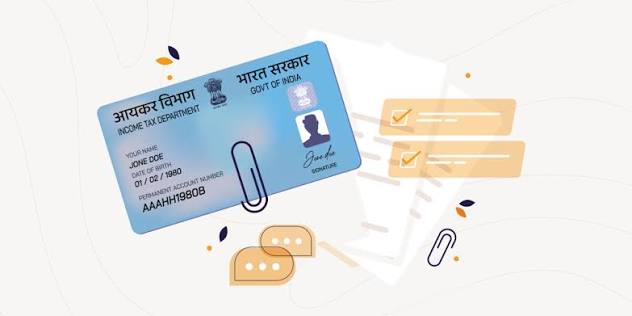
Quick Overview: PAN Linking for Demat Accounts
| Aspect | Detail |
| Is PAN mandatory to open a demat account? | Yes, without exception under SEBI rules |
| PAN-Aadhaar linking required? | Yes, to keep PAN operative for demat and trading |
| What happens if PAN is inoperative | Cannot open, operate, or transact in a demat account |
| TDS impact of inoperative PAN | Deducted at a higher rate, typically 20% |
| Multiple demat accounts | Allowed, but all must link to the same PAN |
| Minor’s demat account | Guardian’s PAN used alongside minor’s documents |
| Penalty to reactivate inoperative PAN | ₹1,000, followed by the linking process |
PAN as the Foundation of Your Investor Identity
Every demat account in India gets built around your PAN. It’s the reference point SEBI, depositories, and brokers use to confirm exactly who you are, what you hold, and whether your investment activity lines up with your declared financial profile. Without a valid PAN, a depository participant simply cannot open an account in your name, full stop, regardless of how good your other documents look.
This isn’t a recent addition either. PAN has long been treated as non-negotiable for opening a demat account, right alongside Aadhaar and address proof, and there genuinely aren’t exceptions carved out for retail investors, NRIs, or anyone else looking to buy securities in India.
Why PAN-Aadhaar Linking Specifically Matters
Having a PAN card isn’t the whole story anymore. The PAN also needs to be linked with your Aadhaar to remain operative, and this linking status directly affects whether your demat account can function normally.
If your PAN and Aadhaar aren’t linked, your PAN eventually becomes inoperative. And an inoperative PAN doesn’t just create a paperwork headache, it actively restricts you from opening a new account with a depository participant, custodian, or any entity registered under the SEBI Act. If you already have an existing demat account and your PAN slips into inoperative status, you’ll find yourself unable to place fresh trades until the situation gets resolved.
What Happens If Your PAN Becomes Inoperative
This is where things get genuinely inconvenient, and it’s worth understanding the full scope of what an inoperative PAN actually blocks.
Beyond demat account restrictions, an inoperative PAN means Tax Deducted at Source gets charged at a noticeably higher rate, often around 20% instead of the standard rate, on various transactions. You also lose the ability to file income tax returns or claim refunds while your PAN sits in this inoperative state, and any TDS or TCS credit simply won’t reflect properly in your tax records.
For someone actively trading or holding investments, this cascades into a genuinely frustrating situation. You can’t open new demat accounts, you can’t necessarily continue transacting smoothly in existing ones, and even routine banking activities tied to your PAN start hitting friction.
How PAN Prevents Fraud and Duplicate Identities
One of the quieter but genuinely important reasons PAN linking exists is fraud prevention. Since every demat account, regardless of which broker or depository participant it sits with, gets tied back to the same PAN, regulators and depositories can track an investor’s activity across multiple accounts without confusion.
This matters more than it might seem at first. You’re allowed to hold multiple demat accounts, say, one with a discount broker for quick trades and another with a full-service broker for research-backed investing, but every single one of those accounts must link back to your PAN. This consistency is exactly what allows SEBI’s improved PAN-based tracking to spot unusual patterns, prevent identity misuse, and maintain a cleaner, more accountable investing ecosystem overall.
PAN Requirements for Minors and Special Cases
If you’re setting up a demat account for a minor, say for long-term investments you want to build on their behalf, the process still needs a PAN, just not the minor’s own. In this case, the guardian’s PAN gets used for identity verification, alongside documents confirming the minor’s identity like a birth certificate and Aadhaar.
This ensures the account remains traceable and compliant even though the beneficial owner, the minor, doesn’t yet have their own established financial identity in the tax system. Once the minor turns eighteen, the account typically needs to transition into their own name with their own PAN.
Reactivating an Inoperative PAN
If you’ve discovered your PAN has gone inoperative because it was never linked to Aadhaar, the fix is straightforward, if slightly tedious. You’ll need to pay a penalty, currently set at ₹1,000, through the Income Tax e-filing portal, and then complete the actual linking process.
Once the payment goes through and the linking completes, it typically takes anywhere from a week to a month for your PAN to become fully operative again. Until that happens, avoid initiating any fresh demat account applications or major transactions, since they’re likely to bounce back until your PAN status resolves.
What This Means for Your Day-to-Day Investing
Beyond the compliance angle, keeping your PAN properly linked and operative is genuinely one of the simplest things you can do to avoid disruption to your investing routine. A rejected trade because of PAN issues, right when a stock is moving the way you expected, is a frustrating and entirely avoidable situation.
It’s worth doing a quick check periodically, particularly if you haven’t traded in a while or recently updated any personal details. Confirming your PAN-Aadhaar link status takes just a couple of minutes through the income tax portal, and it can save you from discovering a problem exactly when you least want to deal with one.
Frequently Asked Questions
Q1. Can I open a demat account without a PAN card at all?
No. PAN is mandatory for opening a demat account in India, and there are no exceptions under current SEBI regulations, regardless of the investor’s residency status or investment size.
Q2. I have multiple demat accounts with different brokers. Do they all need the same PAN?
Yes, every demat account you hold, no matter which broker or depository participant it’s registered with, must be linked to the same PAN. This is exactly how SEBI and depositories track your overall investment activity consistently.
Q3. What happens to my existing trades or holdings if my PAN suddenly becomes inoperative
Your existing holdings remain safe and unaffected, but you won’t be able to place new trades or transactions until you complete the PAN-Aadhaar linking process and your PAN becomes operative again.
Q4. How do I check whether my PAN is properly linked to Aadhaar before it causes a problem?
You can verify this directly on the Income Tax Department’s e-filing portal, where a simple PAN and Aadhaar status check tool shows you whether the linking is complete or still pending, letting you fix it proactively before it disrupts your trading.