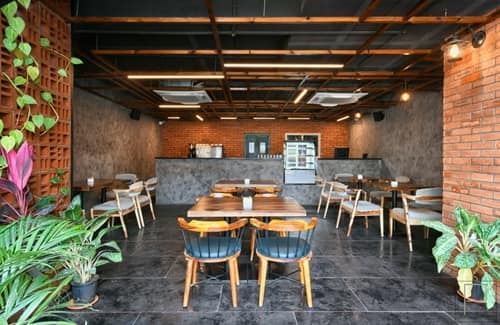
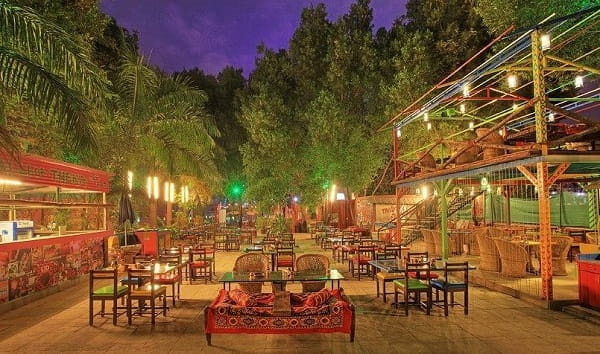
Somewhere between ₹3 and ₹5 lakh, Indian entrepreneurship shifts into a genuinely different category. You’re no longer purely bootstrapping with a laptop — you have enough capital to open a physical shop, launch a proper cloud kitchen, or even buy into an established franchise brand. That last option matters more than most people realize: legitimate branded franchises typically start right around ₹3-8 lakh, meaning this budget level opens doors to proven business models with existing supply chains and customer trust that solo entrepreneurs otherwise spend years building from scratch.
1. Cloud Kitchen
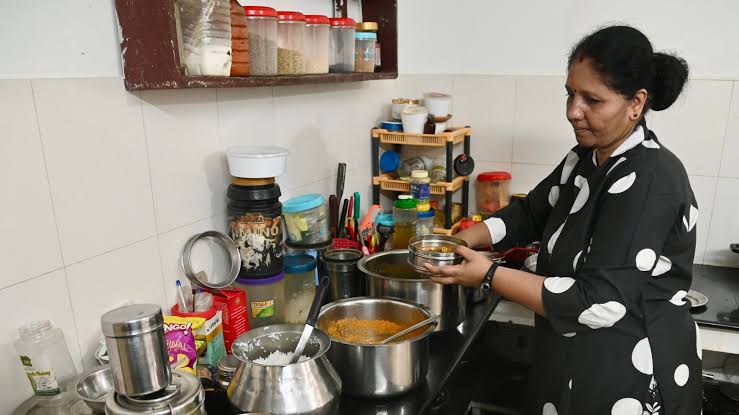
A cloud kitchen remains one of the most consistently profitable business models at this investment level, preparing food exclusively for online delivery without the overhead of a traditional dine-in restaurant. With ₹3-5 lakh, you can properly equip a small kitchen, cover initial licensing, and build enough working capital to survive the early months while you build order volume across delivery platforms. Unlike the bare-bones version possible at lower budgets, this level of investment lets you offer a genuinely differentiated menu and invest in quality packaging that improves both food presentation and customer retention.
Realistic return-on-investment timelines here run 8-12 months, reflecting the genuine ramp-up period needed to build consistent delivery platform visibility and repeat customer ordering patterns before the business becomes reliably profitable.
2. Small Grocery or Convenience Store
With a ₹3-5 lakh investment, opening a small grocery shop in a residential area remains a genuinely dependable business, particularly when combined with online delivery through local WhatsApp ordering or delivery platform partnerships alongside standard in-person sales. A well-located shop in a strong residential pocket can generate consistent daily income precisely because grocery shopping is a recurring, non-discretionary need that doesn’t depend on economic sentiment or seasonal trends the way many other retail categories do.
Profit potential in this model commonly runs ₹30,000 to ₹1 lakh per month depending heavily on your specific location and the strength of nearby residential density — which makes site selection considerably more important to this business’s success than almost any other factor within your control.
3. Digital Printing and Design Services
Digital printing services remain in constant, genuine demand from businesses, schools, and event organizers needing everything from marketing materials to invitations and signage. This ₹5 lakh budget level lets you invest in proper printing equipment capable of handling a meaningfully wider range of order types and volumes than a bare-minimum setup would support, while combining the core printing service with complementary graphic design offerings to increase your revenue per client relationship.
Profit potential here commonly runs ₹40,000 to ₹1.2 lakh per month depending on order volume, and this business benefits from a genuinely durable demand base — as long as businesses need physical marketing materials and events continue happening, print demand isn’t going away, even as digital marketing continues growing alongside it.
4. Small Gym or Yoga Studio
Health awareness has grown significantly across India, with more people joining gyms, yoga classes, and fitness programs than in previous years, and a ₹3-5 lakh investment is genuinely sufficient to launch a small, focused fitness studio in most Indian cities. Rather than competing directly against large, well-capitalized gym chains, a smaller studio can differentiate through specialization — yoga specifically, small-group functional training, or a niche fitness discipline that larger, more generic gyms don’t emphasize.
This business rewards strong location selection and genuine instructor quality over sheer equipment volume, meaning your budget is often better spent on a smaller, well-curated space with skilled trainers than stretching thin to match a large gym’s equipment breadth on a fraction of the capital.
5. Small Franchise Investment
This is the option unique to the ₹5 lakh budget tier specifically — legitimate branded franchise opportunities across food and beverage, quick-service retail, and courier or logistics categories commonly start in the ₹3-8 lakh range, giving you access to an established brand, proven operational systems, and existing customer trust that would otherwise take years to build independently. Franchise models generally reduce risk considerably for first-time entrepreneurs specifically because the business model, supply chain, and marketing playbook have already been tested and refined by the franchisor.
The tradeoff, as with any franchise, is reduced operational flexibility and ongoing franchise fees — but for someone entering entrepreneurship for the first time without deep industry-specific experience, that structure and support can meaningfully improve your odds of survival through the genuinely difficult early months every new business faces.
Matching the Idea to Your Actual Situation
Across all five options, the businesses that succeed at this budget level share a common thread — they match genuine local demand with realistic operating costs, rather than chasing whichever idea sounds most exciting. A cloud kitchen or franchise suits someone comfortable with food service operations and delivery logistics; a grocery store or printing business suits someone who values steady, predictable daily transactions; and a fitness studio suits someone with genuine passion and credibility in that specific space. Treating this as a full-time commitment rather than a part-time side project also matters considerably at this investment level, since ₹5 lakh represents real capital at risk that deserves your full operational attention.
The Bottom Line
A cloud kitchen, small grocery store, digital printing service, fitness studio, or branded franchise investment all become genuinely viable, well-equipped businesses at the ₹5 lakh budget level in India’s 2026 market — each offering realistic monthly profit potential in the ₹30,000 to ₹2 lakh range depending on execution and location. The franchise route in particular deserves serious consideration at this specific budget tier, since it’s the point where proven, established business models first become genuinely accessible to first-time entrepreneurs without requiring years of independent trial and error.
FAQs
Q1. Is a franchise genuinely a safer choice than starting an independent business with the same ₹5 lakh budget?
Franchises generally do reduce risk for first-time entrepreneurs since you’re working with a proven business model, established supply chain, and existing brand recognition rather than building all of that from scratch, which is exactly why breakeven timelines for legitimate franchises tend to be more predictable. That said, franchises come with ongoing fees and less operational flexibility, so it’s worth weighing that reduced risk against the loss of independent control before committing.
Q2. How do I know if my chosen location has enough demand to support a grocery store or cloud kitchen at this investment level?
Spending time observing foot traffic, checking the density and income level of nearby residential areas, and talking directly to potential customers about their current shopping or ordering habits gives you far more reliable demand data than assuming based on general area popularity alone. For a cloud kitchen specifically, checking existing order density for similar cuisines on delivery platforms in your target delivery radius is a genuinely useful proxy for real demand before committing your kitchen setup budget.
Q3. Can I get a loan to help fund a ₹5 lakh business, or do I need the full amount saved upfront?
Yes — the PM Mudra Yojana scheme offers Kishor loans up to ₹5 lakh at concessional interest rates specifically for business funding, and amounts under ₹10 lakh don’t require collateral, making this a genuinely accessible option through any nationalized bank or the official MUDRA website. This means you don’t necessarily need the full ₹5 lakh saved upfront if you have a solid business plan and can demonstrate genuine repayment capacity.
Q4. Which of these five business ideas has the fastest realistic path to becoming profitable?
Digital printing services and a well-located grocery store tend to generate consistent income fastest, since both can begin serving paying customers almost immediately after setup without the multi-month ramp-up period that cloud kitchens or fitness studios typically require to build a stable customer base. Franchise businesses vary considerably by category, but many food and beverage franchises are specifically designed with breakeven timelines around 12-16 months, factored into their proven operational model from the outset.