₹10 lakh is where Indian entrepreneurship genuinely shifts gears again. Below this threshold, most viable options are lean, digital, or home-based. Cross it, and you’re looking at businesses with proper physical infrastructure, real equipment, and the capacity to employ a small team from day one. This is the budget tier where a small café, a coaching institute, or a manufacturing unit stops being a stretch and starts being a genuinely well-equipped operation with realistic long-term growth potential.
1. Small Restaurant or Café
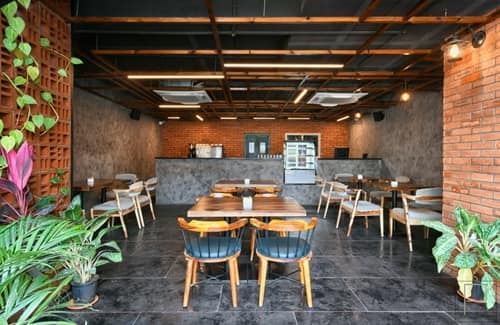
The food industry remains one of India’s most consistently profitable sectors, and with a budget of ₹7-10 lakh, you can open a small restaurant or café in a genuinely strong location rather than settling for a cramped, underfunded space. Young urban consumers particularly enjoy spending time in cafés, themed restaurants, and casual dining spots, and combining a solid in-person experience with delivery platform partnerships through Zomato and Swiggy extends your reach considerably beyond just walk-in customers.
Profit potential here commonly runs ₹70,000 to ₹2 lakh per month depending heavily on location quality and customer traffic — which makes site selection genuinely the single most important decision in this business, arguably even more important than menu design or interior aesthetics.
2. Coaching Institute
Education remains a genuinely durable, recession-resistant demand category in India, and a ₹10 lakh budget is sufficient to establish a proper coaching institute with real classroom infrastructure, qualified instructors, and course materials rather than an informal, undercapitalized tutoring setup. Focusing on subjects with consistently high demand — competitive exam preparation, coding, or specific academic subjects where local supply is genuinely limited — gives you a stronger foundation than trying to cover every subject generically.
This business model shows genuinely strong growth potential over time: a well-run institute generating ₹2.5-3 lakh in monthly revenue can realistically expand into additional branches within five years, potentially reaching ₹15-20 lakh in monthly revenue across locations. The most common pitfalls worth avoiding from the outset are neglecting facility cleanliness and maintenance, overpricing relative to local market expectations, and underinvesting in proper security and operational systems.
3. Boutique or Specialty Retail Store
A boutique store — whether fashion, home décor, or a specific specialty retail category — becomes genuinely viable at this budget level, since ₹10 lakh covers proper store setup, meaningful initial inventory, and enough working capital to survive the months it takes to build a loyal local customer base. Businesses like boutiques perform considerably better when located in busy, high-visibility areas, making location selection just as critical here as it is for food service businesses.
The genuine advantage of a boutique format over generic retail is the ability to curate a specific aesthetic or niche that larger, more generalized stores can’t replicate, giving you a real differentiation strategy rather than competing purely on price and product breadth against bigger players.
4. Manufacturing: Tissue Paper or Packaged Water Plant
Manufacturing businesses offer genuine advantages over pure retail or trading at this investment level, since building and marketing your own branded product gives you considerably broader market reach than reselling someone else’s brand. A tissue paper manufacturing unit, for instance, targets a genuinely wide B2B customer base — restaurants, hotels, cafes, bakeries, hospitals, wholesalers, and corporate offices — while also allowing direct-to-consumer sales through e-commerce platforms, giving you both wholesale volume and retail margin opportunities simultaneously.
Similarly, a small-scale packaged water plant addresses consistent, non-discretionary demand with genuinely strong local B2B potential across offices, events, and small retail. Both categories reward efficient production management and disciplined cost control more than marketing creativity, making them well-suited to entrepreneurs who prefer operational execution over customer-facing sales work.
5. Automobile Service Center
India’s growing vehicle ownership, combined with genuinely limited quality service options in many smaller cities and towns, has created real, sustained demand for reliable automobile service centers. A ₹10 lakh budget covers basic diagnostic and repair equipment, a modest workspace, and initial staffing for a small operation focused on routine maintenance and common repairs rather than highly specialized work requiring more extensive capital investment.
This business benefits from genuinely strong repeat-customer potential, since vehicle owners who find a trustworthy, competent service center tend to return consistently rather than shopping around each time, giving you a durable path toward predictable recurring revenue once you’ve built a reliable local reputation.
What Actually Determines Success at This Budget
Before committing ₹10 lakh to any of these ideas, it’s worth honestly evaluating whether you bring some genuine advantage to the business — existing industry contacts, a strong location, prior relevant experience, or deep understanding of your specific local market. Equally important is understanding the specific licenses, registrations, and compliance requirements each business demands, and being genuinely prepared to manage them rather than treating them as an afterthought. At this investment level, you’re also committing to running the business full-time for at least three to five years, which is a meaningfully different commitment than a smaller, more experimental side venture.
The Bottom Line
A small restaurant or café, a coaching institute, a boutique retail store, a manufacturing unit like tissue paper or packaged water, or an automobile service center all become genuinely well-equipped, professionally run businesses at the ₹10 lakh investment level in India’s 2026 market. Each offers realistic monthly profit potential in the ₹60,000 to ₹2 lakh range depending on execution, with manufacturing and coaching institutes in particular offering meaningfully stronger long-term scaling potential for entrepreneurs willing to reinvest early profits into gradual expansion.
FAQs
Q1. Should I choose a manufacturing business or a service/retail business with my ₹10 lakh budget?
Manufacturing tends to suit people comfortable managing production processes, quality control, and B2B supplier and buyer relationships, while service and retail businesses suit people who prefer more direct, ongoing customer interaction and faster sales cycles. If you’re unsure, spending time observing how similar existing businesses actually operate — even a single factory visit or conversation with an established owner — often reveals practical realities that online research alone won’t show you.
Q2. How much of my ₹10 lakh budget should I reserve for working capital rather than initial setup costs?
It’s generally wise to reserve at least a few months of operating expenses — rent, salaries, and supplies — as working capital rather than spending the entire budget on setup and initial inventory, since most of these businesses take time to build consistent revenue. Underestimating this buffer is one of the most common reasons otherwise well-planned businesses run into cash flow trouble in their first six months.
Q3. Which of these five business ideas has the strongest long-term scaling potential beyond a single location?
Coaching institutes and manufacturing businesses like tissue paper production generally show the strongest scaling potential, since a coaching institute can expand into additional branches once its model proves successful, and a manufacturing business can grow its B2B customer base considerably without requiring proportional increases in physical infrastructure. Restaurants, boutiques, and service centers can also scale, but typically require opening additional physical locations to grow significantly, which demands proportionally more capital than scaling an existing manufacturing or education business.
Q4. What government loan options are available if I don’t have the full ₹10 lakh saved upfront?
Government loan programs, including schemes under the Pradhan Mantri Mudra Yojana and other MSME-focused lending initiatives, offer financing specifically for businesses at this investment level, often through nationalized banks or registered NBFCs. It’s worth researching the specific eligibility criteria and required documentation for your chosen business type early in your planning process, since loan approval timelines can affect how quickly you’re able to actually launch.