You don’t need lakhs of rupees or a bank loan to start something real in India anymore. Between growing home-delivery habits, small businesses desperately needing digital help, and an aging urban population that’s simply confused by technology, ₹1 lakh — sometimes considerably less — is genuinely enough to launch a business with real earning potential. Here are five ideas that actually work within that budget in 2026, not just in theory but in practice.
1. Tiffin and Home Food Delivery Service
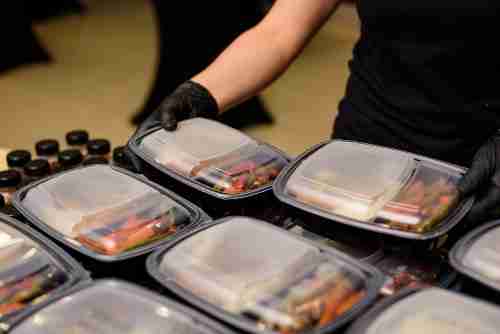
Millions of students, office workers, and people living away from home consistently prefer fresh, homemade meals over restaurant food — a demand that shows no sign of slowing down as urban migration continues. You can start this business directly from your own kitchen, needing only basic cooking equipment, food supplies, packaging containers, and a simple delivery arrangement to begin taking orders. The startup cost stays genuinely low because you’re not paying for commercial kitchen space or a storefront — your existing kitchen and a modest investment in containers and ingredients is often enough to get your first customers.
Growth here comes from consistency and word of mouth rather than heavy marketing spend. Once you’ve built a reliable customer base in your immediate neighborhood or a specific office complex, expanding to nearby areas or adding a subscription model tends to be the natural next step, without requiring significant additional capital.
2. Digital Marketing Services
Nearly every small business in India now wants a stronger online presence, and this has created genuine, sustained demand for people who can help with social media management, advertising, and basic online promotion. Based on current 2026 market conditions, digital marketing services can realistically generate anywhere from ₹1 lakh to ₹3 lakhs per month once you’re working with even a small client base, making it one of the higher-earning categories available at this investment level.
The main expenses are refreshingly minimal — a laptop, reliable internet, and a handful of basic marketing and design tools cover most of what you need to start. This is genuinely one of the most accessible low-investment businesses precisely because companies constantly need this kind of help but often can’t justify hiring a full-time in-house marketer, especially smaller local businesses working with tight budgets.
3. Online Reselling and Social Commerce
E-commerce continues growing rapidly across India, and starting an online resale business requires remarkably little capital to begin. The core model is straightforward — buy products at wholesale prices and resell them through established platforms or your own social media storefront, letting you test different product categories without committing to large upfront inventory purchases. Most of your initial budget goes toward purchasing starting inventory, with the rest reserved for basic packaging and platform listing fees.
This model works particularly well for anyone with a genuine eye for trending products or a specific niche audience already built through social media, since customer acquisition costs stay low when you’re already reaching an engaged, existing following rather than starting from zero.
4. Mobile Repair and Tech Help for Elders
Smartphone and appliance repair remains a consistently high-demand, low-investment business, and there’s a genuinely underserved niche within it specifically: many elders and busy professionals find modern technology confusing and are willing to pay for patient, human help navigating it. This isn’t just phone screen repair — it’s setting up new devices, managing digital payments, and troubleshooting everyday tech frustrations that younger, more tech-native customers wouldn’t think twice about.
Basic tools and a modest inventory of common replacement parts keep the startup cost well within a ₹1 lakh budget, and unlike many low-investment businesses, this one benefits from remarkably little direct competition specifically in the “patient tech support” niche, since most repair shops focus purely on hardware fixes rather than genuine hand-holding customer service.
5. Deep-Cleaning Services
General home cleaning is common and increasingly commoditized, but deep-cleaning specialty services — sofas, carpets, and kitchen chimneys specifically — require specific equipment that most casual cleaning operators don’t invest in, creating a genuine gap in the market. These specialized machines fit comfortably within a ₹1 lakh budget, and the profit margin per visit tends to be considerably higher than general cleaning, given the specialized labor and equipment involved.
This business also benefits from strong repeat-customer potential, since deep cleaning is something households and offices need on a recurring basis rather than as a one-time service, giving you a genuine path toward predictable, recurring revenue once you’ve built a local customer base.
What Actually Determines Success at This Budget
Across all five of these ideas, three factors consistently separate the businesses that survive from the ones that don’t: genuine local demand for the specific service in your area, disciplined cash flow management during the inevitable slow early months, and a willingness to reinvest early profits into gradual, sustainable growth rather than premature expansion. Registering for Udyam MSME status is worth doing regardless of which idea you pursue — it’s free, and it unlocks access to government-backed loan and subsidy schemes that can meaningfully support growth once your business proves itself.
The Bottom Line
A tiffin service, digital marketing consultancy, online reselling venture, tech repair and support business, or specialized deep-cleaning operation can all realistically launch with ₹1 lakh or less in India’s 2026 market, provided you validate genuine local demand before committing capital and manage your early cash flow with real discipline. None of these ideas guarantee success automatically, but each offers a genuinely low-risk way to test entrepreneurship without risking significant savings or taking on early debt.
FAQs
Q1. Which of these five business ideas has the fastest realistic path to earning income?
Tiffin services and mobile repair/tech help tend to generate income fastest, since both can start taking paying customers within days of setup, while digital marketing and online reselling typically take a few weeks to a couple of months to build an initial client base or customer following. Deep-cleaning services fall somewhere in between, depending on how quickly you can secure your first few local bookings through word of mouth or basic local marketing.
Q2. Do I need any formal registration or license to start these businesses under ₹1 lakh?
Registering for free Udyam MSME status is recommended regardless of which business you choose, since it’s free and unlocks access to government loan schemes and subsidies without adding meaningful cost or complexity. Food-based businesses like a tiffin service will also need a basic FSSAI food safety registration, which is a separate, relatively simple and affordable requirement specific to that category.
Q3. Can I run more than one of these businesses simultaneously to increase income faster?
It’s possible, but most successful low-investment entrepreneurs recommend focusing on one business until it’s generating consistent, predictable income before adding a second venture, since spreading limited time and capital too thin early on often slows down both businesses rather than accelerating growth. Once your first business has stable systems and doesn’t require constant hands-on attention, that’s typically the right time to consider a second income stream.
Q4. How do I figure out if there’s genuine local demand for one of these ideas before investing my ₹1 lakh?
Talking directly to potential customers in your target area — neighbors, local offices, or online community groups — before spending any money gives you a much clearer picture of real demand than assuming based on general trends alone. Starting with a smaller test version of the business, like offering tiffin service to just a handful of nearby customers first, lets you validate demand and refine your approach before committing your full budget.