India’s rivers are not merely geographical features — they are living economic ecosystems that support tourism, transportation, agriculture, fishing, spiritual activity, and recreation simultaneously. The Ganges, Brahmaputra, Godavari, Krishna, Kaveri, Yamuna, Narmada, and hundreds of smaller rivers collectively form a network of waterways that millions of Indians visit, work near, depend on, and celebrate throughout the year. Where there are rivers in India, there are people — pilgrims, tourists, fishermen, farmers, boaters, and local residents — all with needs that a well-positioned entrepreneur can serve.
In 2026, the river economy is more commercially vibrant than it has been in decades, driven by three converging forces. India’s domestic tourism has rebounded strongly and continues growing, with river-adjacent destinations like Varanasi, Haridwar, Rishikesh, Ayodhya, Hampi, and the Assam river circuit receiving unprecedented visitor volumes. The government’s River Cities Alliance and inland waterways development under IWAI is making rivers more accessible and more visible as tourism and recreation assets. And the growing urban population’s desire for weekend experiences outside city limits is making river-adjacent recreational businesses more viable in locations that previously had insufficient customer density.
1. Boat Rides and River Tourism Service
Estimated startup cost: Rs. 3 lakh – Rs. 10 lakh Monthly earning potential: Rs. 40,000 – Rs. 2 lakh
Boat rides on Indian rivers are one of the most deeply rooted tourism activities in the country’s cultural experience. The sunrise boat ride on the Ganges at Varanasi is one of India’s most photographed and most sought-after travel experiences. The coracle ride at Hampi is irreplaceable in the Vijayanagara heritage circuit. The evening boat cruise watching the ghats of Haridwar during Ganga Aarti is a moment that has brought millions of visitors to tears. These iconic experiences are well-known, but the model extends far beyond the famous sites — virtually every major Indian river in a tourism corridor has an unmet demand for organised, safe, well-maintained boat rides that serve both domestic and international visitors.
In 2026, the inland waterways tourism opportunity extends beyond the traditional spiritual ghats. Adventure tourism corridors along rivers like the Alaknanda in Uttarakhand, the Beas in Himachal Pradesh, the Siang in Arunachal Pradesh, and the backwaters of Kerala all have growing tourist demand for boat-based experiences that ranges from gentle sightseeing rides to white-water rafting expeditions. Even smaller, lesser-known rivers near Tier-2 cities have weekend tourism potential that remains largely untapped.
Your investment at the lower end covers one or two fibreglass or wooden boats suited to your specific river — a motorboat for longer routes, a rowboat or coracle for ghat tourism. Registration with the state’s Inland Water Transport Authority and basic safety compliance (life jackets, insurance) are the regulatory requirements. Listing on Google Maps, MakeMyTrip, and Viator creates digital discovery that supplements word-of-mouth from satisfied visitors.
2. River-Front Food Stall and Café
Estimated startup cost: Rs. 1.5 lakh – Rs. 4 lakh Monthly earning potential: Rs. 35,000 – Rs. 1.2 lakh
A river-front food stall is one of the most naturally organic commercial opportunities in India, because the reason people visit rivers — spiritual rituals in the morning, evening aarti attendance, recreational walks along the ghats, fishing, tourism — creates predictable footfall peaks that a well-positioned food business captures with almost no marketing effort. The chai vendor on the Varanasi ghat steps who has served thousands of domestic and foreign tourists over twenty years did not build his business through branding — he built it by being exactly where people wanted tea at exactly the moment they wanted it.
In 2026, the river-front food business has a new dimension: the rise of domestic travel content creation. Reels, vlogs, and Instagram posts from river-adjacent destinations create discovery for food businesses that serves them without any advertising cost. A food stall near a famous ghat or riverside viewpoint that serves consistently good food and allows photogenic setting can build a following through user-generated content that drives additional visitor traffic beyond the organic ghat footfall.
The menu should reflect the river’s cultural context — chai and kachori at a Varanasi ghat, fish curry at a Brahmaputra riverside, filter coffee near a South Indian temple river — and be produced visibly and cleanly. The cleanliness of the preparation in a visible outdoor setting near a river, where food safety concerns are heightened, is the single most powerful trust signal.
3. Fishing Gear and Angling Service
Estimated startup cost: Rs. 1 lakh – Rs. 4 lakh Monthly earning potential: Rs. 25,000 – Rs. 80,000
Recreational angling has grown significantly in India over the past five years, driven by a middle-class urban population seeking nature-based weekend activities and by specific rivers gaining international reputation for sport fishing — the Himachal Pradesh rivers for mahseer, the Northeast rivers for golden mahseer, and various Himalayan tributaries for trout. A fishing gear and guided angling service near a river known for sport fishing serves both the experienced anglers who come specifically for the fish and the casual visitors who discover the activity during a broader nature visit.
The business combines retail (rods, reels, bait, hooks, basic tackle) with a service component (guided fishing trips with an experienced local guide, daily permits where required, transport to the best fishing spots). The guided trip component commands premium pricing — Rs. 1,500 to Rs. 5,000 per person per day — and differentiates the business from pure equipment retail.
Even on rivers without a strong sport fishing heritage, a basic fishing gear counter near a riverside location popular with domestic tourists captures the “let’s try fishing” impulse that many first-time riverside visitors experience. Renting simple bamboo rods with bait for Rs. 100 to Rs. 200 per hour to casual visitors is a low-capital business that generates consistent small-ticket revenue from a location with natural footfall.
4. River-Adjacent Homestay or Camping Site
Estimated startup cost: Rs. 5 lakh – Rs. 15 lakh Monthly earning potential: Rs. 40,000 – Rs. 2 lakh
The domestic travel and weekend getaway market in India is growing at a rate that has surprised even optimistic projections. Urban Indian families and young couples are actively seeking nature-adjacent stays — river views, forest sounds, clean air, and a break from the apartment-and-screen existence of urban life. A well-maintained homestay or riverside camping site near a scenic river corridor captures exactly this demand without requiring the capital of a full hotel operation.
A riverside camping site with six to ten Swiss tents, a common toilet and shower block, a fire pit area, and a basic kitchen offering simple meals can be set up for Rs. 8 to Rs. 15 lakh including land lease and tent investment. Listed on Airbnb, Booking.com, and GetYourGuide alongside a well-photographed Instagram profile, it reaches the urban weekend travel demographic with minimal ongoing marketing expense.
The key advantage of a river-adjacent location is photographic beauty — the river at dawn, mist on the water, golden evening light on the ghats. This visual quality translates directly into the social media content that drives discovery, and discovery that drives bookings. Staying near a beautiful river photographs better than staying in a generic hotel, and in 2026, that photographic quality is a genuine commercial asset.
5. River Water Adventure Sports Centre
Estimated startup cost: Rs. 8 lakh – Rs. 20 lakh Monthly earning potential: Rs. 60,000 – Rs. 2.5 lakh
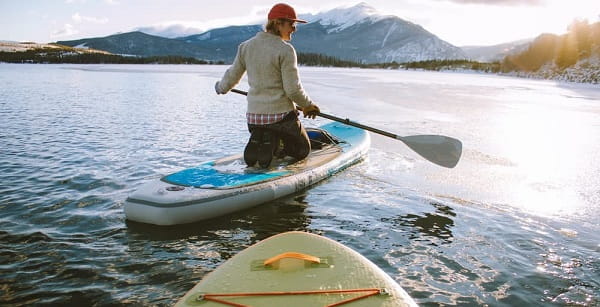
India’s adventure tourism market is expanding strongly, with white-water rafting, kayaking, and stand-up paddleboarding gaining mainstream acceptance beyond the backpacker circuit. Rishikesh remains the most famous hub, but dozens of secondary rivers and river sections across Uttarakhand, Himachal Pradesh, Meghalaya, and the Western Ghats have viable rapids, scenic surroundings, and growing tourist interest that remain commercially underdeveloped.
A properly licensed adventure sports centre offering white-water rafting day trips, kayaking lessons, or cliff jumping experiences near a suitable river corridor serves the domestic adventure tourism market that is actively looking for accessible, safe, professionally run experiences within a few hours of major cities.
Safety certification, qualified instructors, proper equipment maintenance, and appropriate insurance are non-negotiable for this business category. The adventure tourism sector in India is actively regulated following several high-profile incidents at poorly run operations, and a professionally run centre with certified guides and maintained equipment now has a clear competitive advantage over informal operators.
Frequently Asked Questions
Q: Do river-based businesses need permission from the state government or water authority?
A: Yes — boat operations require registration with the state’s Inland Water Transport Authority. Adventure sports operations need state tourism department certification. Riverside camping and food businesses need local municipality or gram panchayat approvals depending on the specific location. FSSAI registration applies to all food businesses.
Q: Which river-adjacent business works in both pilgrimage and non-pilgrimage river locations?
A: Food stalls work near virtually any river with consistent footfall regardless of whether it is a pilgrimage site, a tourism destination, or a local recreational space. Boat rides also work at both sacred and recreational rivers in different formats.
Q: Are river-adjacent businesses seasonal in India?
A: Many river businesses are partially seasonal — monsoon flooding restricts operations from June to September on most major rivers. Winter and spring are peak seasons for adventure tourism rivers. Pilgrimage rivers in Haridwar, Varanasi, and Ujjain are year-round but peak during specific festivals and auspicious dates.
Q: How do I get listed on travel booking platforms for a riverside homestay?
A: List on Airbnb and Booking.com through their online vendor registration portals. For adventure activities, Viator and GetYourGuide accept experience operator applications. Google My Business listing is free and essential for local discovery.
Q: What safety requirements apply to boat operators near Indian rivers?
A: Each state’s Inland Water Transport Authority specifies life jacket requirements per passenger, maximum load limits, operator licensing, and vessel registration. Insurance for commercial passenger boat operations is mandatory. Requirements vary by state and should be verified with the specific authority before launching operations.