Ten lakh rupees is a serious amount of entrepreneurial capital in India in 2026. It does not put you in the territory of factories, franchise chains with multiple outlets, or large-format retail — but it is enough to build a properly structured, properly equipped, and properly marketed business that competes meaningfully in its category. At this budget, the gap between a professional-looking operation and an amateur one narrows significantly, and that gap is where most of the competitive advantage lives.
India’s economic environment in 2026 is particularly generous to entrepreneurs at the Rs. 10 lakh level. India’s middle class is now projected at over 450 million people, UPI transactions have become routine, and the MSME sector received enhanced support through the Union Budget 2026, including increased CGTMSE guarantee cover for collateral-free business loans. If you have Rs. 10 lakh and the willingness to commit two to three years of focused work, here are five businesses that genuinely deliver.
1. Small Restaurant or Specialty Café
Estimated startup cost: Rs. 7 lakh – Rs. 10 lakh Monthly earning potential: Rs. 70,000 – Rs. 2 lakh
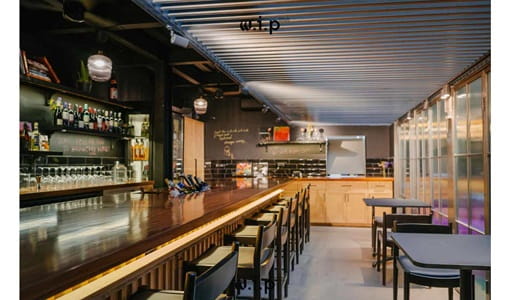
The food service business is India’s most consistently demanded sector, and the Rs. 10 lakh budget opens the door to a properly fitted small restaurant or café rather than the stripped-down cloud kitchen format. The difference matters more than it might initially seem. A physical café in a high-footfall location — near a college, inside a tech park’s surrounding commercial area, or in a busy residential market lane — generates both walk-in discovery and online delivery orders simultaneously, making the revenue model more resilient.
Your investment at this budget covers lease deposit and first-month rent on a 300 to 400 square foot space, commercial kitchen equipment (range, refrigerator, storage), basic furniture and interior, FSSAI and fire NOC licensing, and three months of working capital. The strategic decision that most determines success is not the food concept — it is the specific lane, building, and pedestrian flow of the chosen location. Successful café owners in 2026 routinely spend two to three weeks evaluating foot traffic before committing to a space.
Running both a physical menu and a Zomato or Swiggy-listed delivery service from the same kitchen is the model that maximises revenue per square foot, and most well-run small cafés in India are doing exactly this.
2. Coaching and Tuition Centre
Estimated startup cost: Rs. 3 lakh – Rs. 7 lakh Monthly earning potential: Rs. 60,000 – Rs. 1.8 lakh
India’s competitive examination economy is not slowing down. The number of students appearing for JEE, NEET, UPSC, SSC, CUET, and state-level competitive examinations continues to grow every year, and the demand for focused, affordable coaching significantly outpaces what the large coaching chains can absorb at their premium pricing. A well-run, subject-specialist coaching centre in a middle-class residential area or near a cluster of schools in any Indian city is a genuinely viable Rs. 10 lakh business.
Your investment covers a 1,000 to 1,500 square foot space with classroom furniture (benches, whiteboards, a projector), security deposit and advance rent, basic digital infrastructure (a WiFi network, a smart TV or projector screen for content delivery), and two to three months of working capital for the initial intake phase. The Rs. 10 lakh budget also allows you to hire one subject expert on a part-time basis alongside yourself, which lets you offer multiple subject streams rather than depending entirely on your own teaching range.
The model shift that is producing the most profitable coaching centres in 2026 is a hybrid offline-plus-recorded-content approach — students attend physical classes but also get access to recorded sessions, which builds a loyalty that makes switching to a competitor meaningfully more difficult.
3. Mobile Phone and Electronics Repair Centre
Estimated startup cost: Rs. 4 lakh – Rs. 8 lakh Monthly earning potential: Rs. 50,000 – Rs. 1.5 lakh
India has over 1.2 billion active mobile phone connections in 2026, and screen replacements, battery replacements, and charging port repairs generate consistent, non-discretionary demand every single day in every Indian city and town. The mobile repair market at a professional level — clean workspace, warranty on parts, transparent pricing, GST bill provided — is largely underserved at the neighbourhood level despite the enormous volume of devices that need servicing.
A well-equipped mobile and electronics repair centre within Rs. 10 lakh covers a small commercial space lease, a professional repair station with all standard tools, an opening inventory of commonly needed spare parts for the top twenty to thirty phone models that dominate the Indian market (Samsung Galaxy mid-range, Redmi, Realme, Vivo, OPPO), a point-of-sale billing system, and basic signage and branding. The additional capacity at this budget level compared to a basic Rs. 1 to Rs. 2 lakh setup is the inventory depth — having the right part in stock rather than making customers wait two days for ordering is the single most common point of competitive differentiation in this business.
4. Laundry and Dry Cleaning Service
Estimated startup cost: Rs. 5 lakh – Rs. 9 lakh Monthly earning potential: Rs. 50,000 – Rs. 1.5 lakh
Organised laundry services are one of the most consistently under-discussed business opportunities in urban India despite the obvious and quantifiable demand. Nuclear families in which both partners work, single professionals, and students living away from home in India’s rental belt all have the same problem: laundry is time-consuming, domestic help is unreliable, and the neighbourhood dhobi is not equipped to handle delicate fabrics or provide home pickup and delivery. A well-run laundry operation with home pickup, 24 to 48-hour turnaround, and quality cleaning genuinely has very little competition at the neighbourhood level in most Indian cities.
Your investment covers a semi-commercial washing machine (two of them for capacity), a commercial dryer, a dry-cleaning unit for delicate fabrics, a steamer and pressing station, utility connections, and a small operational space of 250 to 300 square feet. The business model that works best in 2026 includes a monthly subscription for regular customers — say, Rs. 1,200 to Rs. 2,500 per month for weekly pickup of up to a defined weight of laundry — which creates a stable revenue base and reduces the operational unpredictability of a purely walk-in model.
5. Franchise Ownership (Food Kiosk or Courier)
Estimated startup cost: Rs. 5 lakh – Rs. 10 lakh Monthly earning potential: Rs. 50,000 – Rs. 1.5 lakh
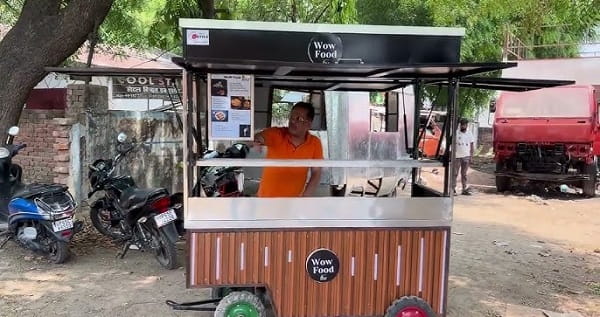
The franchise route at the Rs. 10 lakh level offers an important advantage that the pure startup models above do not: an established system. A food kiosk franchise from a recognised mid-market brand — chai, ice cream, or quick-service food — or a courier and logistics service point franchise from companies like Delhivery, XpressBees, or DTDC provides brand recognition, operational training, supplier networks, and a partially de-risked business model in exchange for the franchise fee.
At Rs. 10 lakh, you can access legitimate food kiosk franchise opportunities that include brand rights, equipment, initial training, and a support structure. The franchise route suits entrepreneurs who are strong executors and prefer operating a proven model over creating their own systems from scratch. The key discipline in evaluating any franchise is scrutinising the unit-level economics rather than the franchisor’s marketing projections — speak to two to three existing franchisees in comparable locations before committing.
Frequently Asked Questions
Q1. Is Rs. 10 lakh enough to start a restaurant?
Yes, but with careful execution. A small 300 to 400 square foot café or quick-service restaurant in a moderately priced location is achievable within Rs. 10 lakh, keeping a portion as working capital for the first two to three months before revenue stabilises.
Q2. Which business from this list has the most stable demand?
Mobile repair and laundry services have the most recession-proof, need-based demand. Coaching centres are close behind, particularly those serving competitive exam preparation where demand is driven by aspiration rather than discretionary spending.
Q3. Can I get a loan to top up my Rs. 10 lakh budget?
Yes. CGTMSE-backed collateral-free loans up to Rs. 10 lakh are accessible through most nationalised banks for Udyam-registered businesses. Many entrepreneurs combine Rs. 6 to Rs. 7 lakh of personal capital with a small term loan to reach the Rs. 10 lakh operating budget.
Q4. How long does it take for a Rs. 10 lakh business to break even?
Service businesses like repair and laundry typically break even within four to eight months. Food businesses take longer — typically eight to fourteen months — due to the ramp-up required to build customer base and platform ratings.
Q5. Should I choose a franchise or start independently?
Franchises reduce the uncertainty of the launch phase but limit your creative control and margin. An independent business built well can eventually earn more. The right choice depends on your comfort with uncertainty — if the idea of building a system from zero feels overwhelming, a franchise is worth the fee.