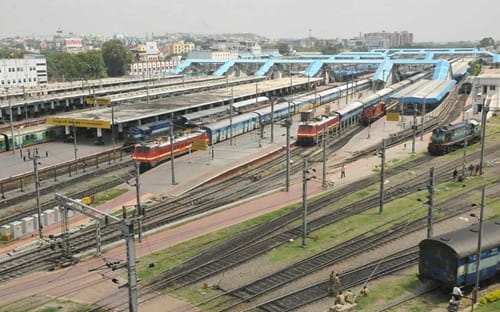
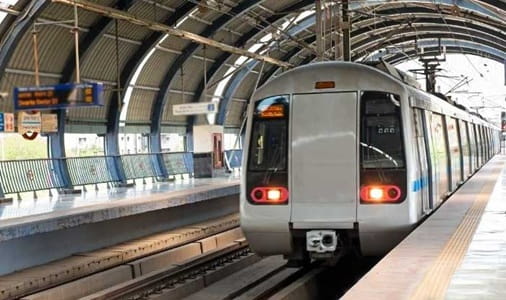
India’s metro network is now genuinely vast. Delhi Metro alone carries over 6 million passengers daily across its 390-kilometre network. Mumbai Metro, Bengaluru Metro (Namma Metro), Hyderabad Metro (HMRL), Chennai Metro, Kolkata Metro, Kochi Metro, and newer systems in Surat, Nagpur, Lucknow, and Pune together represent a cumulative daily ridership that makes metro stations among the highest-footfall locations in urban India. Every metro station is a concentrated funnel of human movement — typically two significant footfall peaks (morning and evening commute) with a steady secondary flow through the day — and surrounding this movement is an enormous commercial opportunity.
The metro commuter in India in 2026 is a specific kind of customer. He or she is typically a working professional, often between 22 and 45 years old, with a smartphone, a UPI-enabled payment habit, time pressure during peak hours, and genuine convenience sensitivity. This person is not browsing. He or she is moving with a destination in mind and will stop for a service only if the value exchange is immediately obvious, fast, and fairly priced. Businesses near metro stations that understand this psychology — speed, convenience, trust — thrive. Businesses that require the commuter to slow down, deliberate, or wait in a queue do not.
1. Quick Bite Food Stall or Sandwich Counter
Estimated startup cost: Rs. 1.5 lakh – Rs. 4 lakh Monthly earning potential: Rs. 40,000 – Rs. 1.2 lakh
A well-positioned food stall at the exit gate of any metro station is printing money at two specific moments every weekday: between 8 and 10 AM when commuters rushing to offices grab breakfast they did not have time to eat at home, and between 6 and 9 PM when the same commuters return and want something to eat before reaching home. These two windows together typically produce three to four hours of high-velocity sales per day, with a slower but steady middle-of-day period from local shoppers and people passing through.
The menu that works best at metro exits is fast, familiar, and low-friction. A counter serving chai and sandwiches, or poha-vada pav-chai, or rolls and cold drinks requires no explanation, no menu study, and no waiting — the commuter orders by pointing, pays by UPI scan, and is moving again within ninety seconds. This speed is the business model. The moment your counter creates a queue of more than four to five people, you are losing the customers who will not wait.
The most important commercial decision is the specific gate. A metro station with four exits may have one exit that channels three times the foot traffic of the others based on bus connectivity, parking location, or the direction of the surrounding office district. Observe traffic patterns during both peaks for two to three days before committing to a spot.
2. Mobile Phone Charging and Accessories Kiosk
Estimated startup cost: Rs. 1.5 lakh – Rs. 3 lakh Monthly earning potential: Rs. 30,000 – Rs. 80,000
Metro commuters in Indian cities typically spend 45 to 90 minutes in transit daily, actively using their phones for music, videos, podcasts, news, or social media throughout the journey. Battery drain is a predictable daily problem for this demographic, and a mobile accessories kiosk near the metro exit — selling cables, fast chargers, earphones, power banks, screen protectors, and phone cases — captures impulse purchase demand from a customer who already knows they need the product before they arrive.
The phone accessory retail at a metro location operates on a different psychology from a mall or market — the commuter is not browsing for options, they are solving an immediate problem. A USB-C cable that broke this morning is bought without any comparison between brands. The earphone that stopped working on the train platform is replaced at the next available counter. This need-based, immediacy-driven purchase behaviour produces consistently higher conversion rates per passing customer than any comparable retail location.
Adding a small phone repair counter (screen replacement, charging port repair, battery swap) multiplies the revenue from the same floor space significantly. Commuters who notice a cracked screen during the morning commute and want it fixed before the evening return are natural customers for a station-adjacent repair service.
3. Laundry Drop and Collect Point
Estimated startup cost: Rs. 2 lakh – Rs. 5 lakh Monthly earning potential: Rs. 35,000 – Rs. 1 lakh
The metro commute creates a specific logistical opportunity that most entrepreneurs have not capitalised on. A working professional who passes through a metro station twice daily can drop laundry while boarding in the morning and collect it cleaned and folded while exiting in the evening. This drop-and-collect model eliminates the primary friction of laundry service — the scheduling of a home pickup and delivery appointment — by making the exchange a zero-additional-effort part of an existing daily routine.
A compact laundry drop point at a metro exit — a clean, branded counter with simple intake bags, a digital receipt system, and 24-hour turnaround — requires minimal floor space (150 to 200 square feet is sufficient) and connects to a central washing facility that can serve multiple drop points across the metro network. The commuter demographic that metro stations concentrate is precisely the demographic with the least time for domestic chores and the highest willingness to pay for services that fit seamlessly into their existing routine.
In 2026, this model is gaining traction in Delhi and Bengaluru metro areas where the middle-class commuter population is dense and the laundry service market is still significantly under-organised relative to demand.
4. Convenience and Daily Essentials Store
Estimated startup cost: Rs. 3 lakh – Rs. 7 lakh Monthly earning potential: Rs. 50,000 – Rs. 1.5 lakh
Every commuter who passes through a metro station has a consistent and predictable set of items they occasionally need to buy on the go — a bottle of water, a pack of biscuits, a newspaper, over-the-counter medicine, a phone charger, a dairy product on the way home, or a packaged snack for the train journey. A well-curated convenience store at a metro exit stocks exactly these items — and nothing else — with maximum visibility, fast checkout, and UPI-first payment.
The difference between a profitable metro-exit convenience store and a struggling one is SKU discipline. A store that tries to carry 500 different products in a small space becomes chaotic and slow. A store that carries the 80 to 100 items that metro commuters in this specific location buy most frequently — identified through two weeks of observation and initial sales data — becomes a fast, efficient daily stop that commuters incorporate into their route without any deliberation.
Metro stations that serve areas with significant office park concentration in the surrounding zone generate particularly strong evening demand for ready-to-eat items, dairy, and fresh bread as commuters pick up dinner components on the way home. Positioning a small refrigerator with fresh dairy and beverages at the most visible point of your store front captures this demand efficiently.
5. Tailoring and Quick Alteration Service
Estimated startup cost: Rs. 1 lakh – Rs. 3 lakh Monthly earning potential: Rs. 25,000 – Rs. 70,000
This idea is the most counterintuitive entry on this list, but it is one of the most consistently profitable for metro station locations that have working professional foot traffic — and the reason is simple. Working professionals in India 2026 wear formal clothes, ethnic wear for events, and corporate attire regularly, and they need it altered, repaired, or freshened up on short notice. A button replacement that takes two minutes, a hem that needs to come up by two inches before a meeting tomorrow, a torn pocket that needs to be fixed before a client visit — all of these are small problems that a metro-adjacent tailor solves instantly.
The metro-exit tailoring counter works differently from a neighbourhood tailor in an important way: speed over conversation. The commuter dropping off a garment during the morning rush cannot spend fifteen minutes discussing options. A clear service menu with fixed prices (button replacement Rs. 30, hemming Rs. 200, zip replacement Rs. 250, minor repair Rs. 100-150) displayed visibly, with WhatsApp notification when the garment is ready, and collect on the evening return — this model converts commuters who have a problem into customers without requiring them to alter their daily routine in any meaningful way.
Frequently Asked Questions
Q1. Do metro-adjacent businesses require special licences from the metro authority?
A: Businesses on private commercial plots adjacent to metro station exits operate under standard municipal trade licences. Businesses within the metro station premises or on land owned by the metro authority require specific metro authority approvals and typically involve tendering processes.
Q2. Which metro station business has the most consistent demand throughout the year?
A: Food stalls and convenience stores have the most year-round consistent demand, driven by the daily commute cycle that continues regardless of seasons, festivals, or economic conditions.
Q3. How important is proximity to the metro exit gate specifically?
A: Critically important. The difference between 30 metres and 200 metres from the main gate can represent a 60 to 70 percent reduction in customer conversion. Morning commuters moving at pace will not walk out of their way for any service — the business must be in the direct path of foot traffic.
Q4. Is digital payment acceptance essential near metro stations?
A: Yes — the metro commuter demographic pays digitally at very high rates. A business near a metro station that does not accept UPI is excluding a significant proportion of its potential customers. QR code payment display should be at eye level and clearly visible from the footpath.
Q5. Can all five of these businesses work near smaller Tier-2 city metro stations?
A: Metro stations in Lucknow, Surat, Nagpur, and other emerging metro cities have lower daily ridership than Delhi or Mumbai but also have lower commercial competition near the exits. Food stalls and convenience stores work proportionally well. Laundry drop points and tailoring services are more viable in Tier-1 cities where the working professional density is higher.